The Dead Hand
Soviet Perimeter System
A Dead Man’s Switch is meant to be automatically operated if the human operator becomes incapacitated.
Common in Locomotives, Freight Elevators and Tractors. These switches are used as a Fail-Safe device to stop a machine from a potentially dangerous action; or to incapacitate a device as result of accident, malfunction, or misuse. In most cases they merely bring a machine back to a safe state such as applying brakes.
However they can also also be used to activate a device.
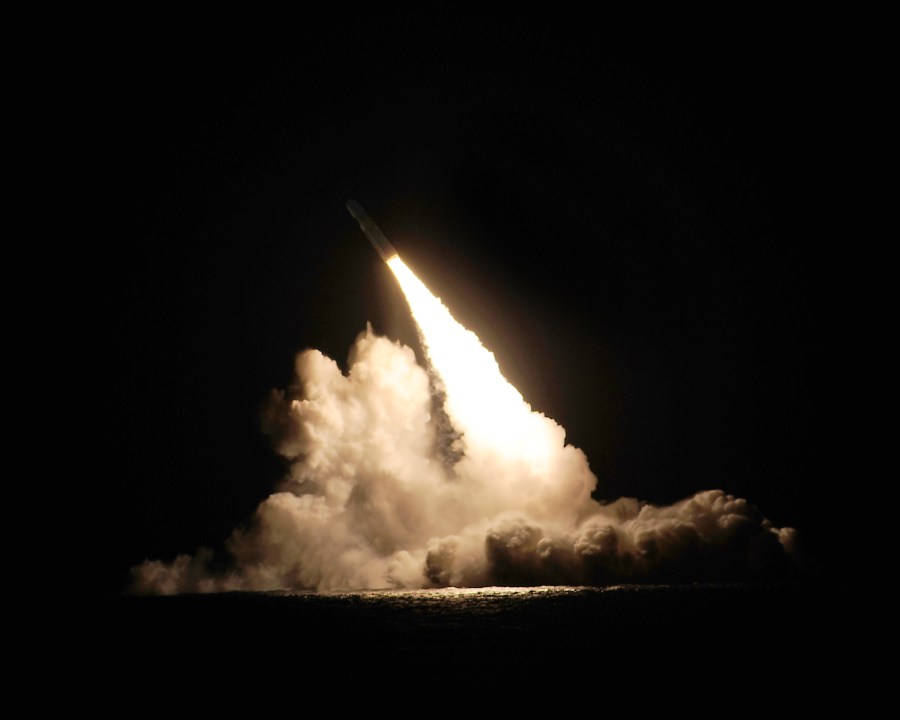
This was the case behind the concept of The Soviet Dead Hand. During the cold war when the threat of an American Nuclear Strike loomed; The Dead Hand was to be a completely automated system that, even if all Soviet Leaders were killed, and Command Centers ruined, be capable of launching a full scale nuclear strike without the need for human assistance.
A fully automated doomsday machine.
The system would look for signs of an attack and if determined, would then take over, and be capable of launching a full scale nuclear response.
Soviet leadership decided against the idea citing numerous variables that might result in disaster.
The Perimeter System however was completed.
Built in secrecy during the Cold War and designed to lie dormant, once activated, the system would begin monitoring a network of seismic, radiation, and air pressure sensors, to determine whether or not a nuclear weapon had hit Soviet soil. If it deemed that one had, the system would check communication links to the war room of the Soviet General Staff; if the line went dead then the system would immediately transfer launch authority to whoever was manning the system at the moment deep inside a protected bunker-bypassing layers and layers of normal command authority; at which point the ability to launch a full scale nuclear strike fell upon the shoulders of whomever was on duty at the time.
Given a checklist of conditions these officers manning these underground ‘globes’ or ‘spheres’ buried so deep that they are capable of withstanding a nuclear blast on the surface, would first confirm that the Perimeter System had been activated, which means that military commanders or the Kremlin had given advance permission for the system to fire. The second condition they would check for was communication with military and political leaders. The final condition was to moniter a network of sensors.
Once initiated the counterattack would be controlled by command missiles. Hidden in hardened silos designed to withstand the massive blast and electromagnetic pulses of a nuclear explosion. These missiles would launch and radio down coded orders to any Soviet weapons that survived- at which point with ground communications destroyed, the command missiles would orchestrate the responding assault from the sky.
Based on the doctorine of Mutual Assured Destruction wherein neither side of opposing forces are given the initiative to launch an offensive knowing that they are incapable of surviving a retalitory strike, the result is a tense but stable form of peace.
 The International Register